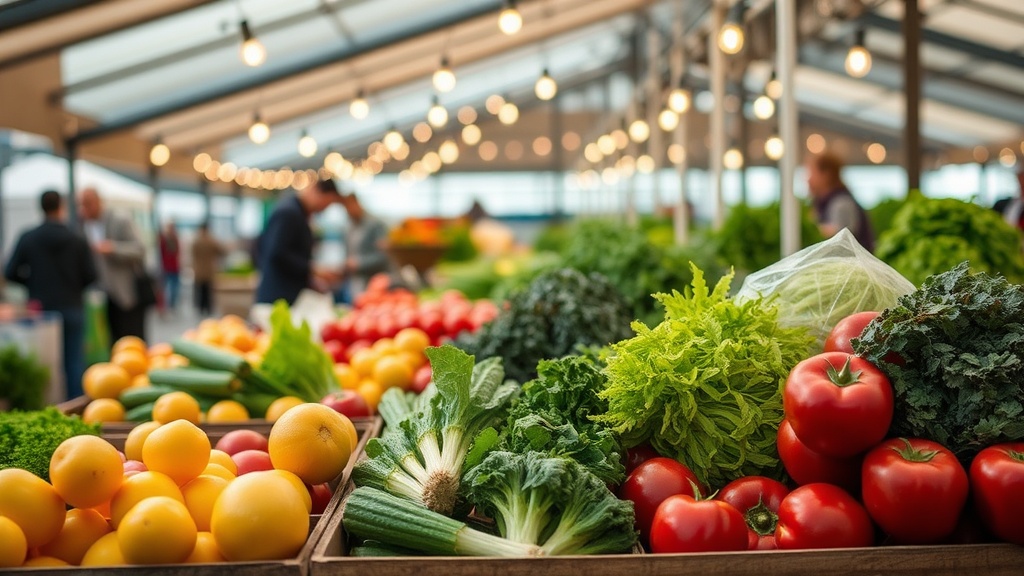
Finding the Best Seasonal Produce at Owen Sound Farmers Markets

A shopper stands before a supermarket display of strawberries in late October, looking at fruit that is pale, hard, and clearly traveled thousands of kilometers to get to Grey County. It's a frustrating sight when you know the local soil is capable of much better. This guide explains how to time your visits to the Owen Sound area farmers markets to ensure you are getting the freshest, most nutrient-dense produce available in our region.
Buying local isn't just about supporting a neighbor; it's about eating when the food actually wants to be eaten. In the Georgian Bay area, our growing season is short but incredibly intense. If you know when to show up, you can find produce that actually tastes like something. We'll look at the seasonal shifts, what to look for, and how to shop the markets effectively.
When is the best time to shop for produce in Owen Sound?
The best time to shop for produce in Owen Sound is between late June and early October, when the local growing season is at its peak. While some vendors might have hardy root vegetables or storage crops later in the year, the vibrant greens, berries, and stone fruits arrive in a wave starting in mid-summer. If you want the highest quality, aim for mid-July through August. This is when the heavy hitters like tomatoes and peaches hit the stalls.
The market cycle in our area generally follows the frost lines. We have a shorter window than the southern parts of Ontario, so the window of opportunity moves fast. You can't afford to wait until September to find fresh berries. By then, the weather has turned, and the berry season is long gone.
Here is a general seasonal timeline for our local area:
- Early Summer (June): Salad greens, radishes, peas, and early spring onions.
- Mid-Summer (July - August): Strawberries, blueberries, sweet corn, tomatoes, cucumbers, and zucchini.
- Late Summer/Early Fall (September): Apples, pumpkins, squash, and hearty greens like kale.
- Late Fall (October/November): Storage vegetables like potatoes, carrots, and onions that have been kept in cool conditions.
It's worth noting that the variety changes almost weekly during the summer months. One week you might see a massive haul of strawberries, and the next, the focus shifts entirely to summer squash. Keeping an eye on local agricultural calendars—like those provided by the Ontario Ministry of Agriculture, Food and Rural Affairs—can give you a heads-up on what's coming.
What seasonal produce is available in Grey County?
Grey County offers a diverse range of produce including stone fruits, berries, leafy greens, and hearty root vegetables depending on the month. Because our climate is influenced by both the Escarpment and the water from Georgian Bay, we get some unique micro-climates that favor certain crops.
When you walk through the market, you'll see a lot of "heavy" crops toward the end of the season. This is perfect for anyone looking to stock up for winter. If you are looking for nutritional information regarding these crops, the
One thing to watch for is the quality of the tomatoes. In a grocery store, they often look perfect but taste like water. At the local market, the tomatoes are often heavy, warm from the sun, and actually smell like a tomato. That's the difference between a commercial-grade product and one grown in local soil.
Season
Top Produce Picks
Best Use
Early Summer
Spinach, Lettuce, Radishes
Fresh salads and light side dishes
High Summer
Strawberries, Blueberries, Sweet Corn
Desserts, snacks, and summer BBQs
Late Summer
Tomatoes, Peppers, Zucchini
Salsa, roasting, and summer stews
Autumn
Apples, Squash, Pumpkins
Baking, soups, and long-term storage
How much does local produce cost compared to grocery stores?
The cost of local produce varies significantly based on the item's seasonality and current demand, but it often provides better value through nutrient density and shelf life. While a bag of carrots might be a few cents more at a farmers market than at a big-box retailer, the produce is often more durable and lasts longer in your fridge because it wasn't shipped across the country.
Don't assume that "local" always means "expensive." During the peak of the season, prices for things like corn or zucchini often drop because the supply is so high. In July, you might find a deal on berries that beats anything you'll see in a supermarket. However, if you're looking for out-of-season items like winter squash in June, you'll likely pay a premium or find nothing at all.
A good way to manage your budget is to buy what is abundant. When the local farmers have a surplus of cucumbers, the price drops. If you try to find strawberries in late September, you're paying for a rarity. It's a simple rule of thumb: buy what's plentiful, and you'll save money.
If you are trying to stretch a tight budget, look for the "ugly" produce. Some vendors sell slightly bruised or oddly shaped vegetables at a discount. These are perfect for soups, stews, or sauces where the presentation doesn't matter. This is a great way to utilize every cent of your grocery budget.
For those looking for more ways to manage household expenses, checking out free and low-cost resources in Owen Sound can be helpful for overall community awareness.
How do I find the best vendors in Owen Sound?
The best way to find top-tier vendors is to arrive early and look for the stalls with the most colorful, diverse displays. The most successful farmers usually have a wide variety of crops rather than just one or two items. This shows they have a healthy, diverse-growing operation.
Talk to the people behind the tables. A good vendor is someone who can tell you exactly when their tomatoes were picked or how to store those specific herbs. If a vendor is hesitant to answer questions about their growing practices, move on. You want to buy from people who are proud of their process.
Keep an eye out for these signs of quality:
- Scent: If the herbs or fruit don't have a strong, pleasant aroma, they likely aren't at their peak.
- Color: Look for deep, consistent colors. A pale tomato is a disappointing tomato.
- Texture: Greens should be crisp, not limp. Root vegetables should be firm, not soft or shriveled.
- Variety: Vendors who offer heirloom varieties often have more flavor than those selling standard commercial-grade produce.
If you're planning a meal after your shopping trip—perhaps a picnic at the park—make sure you've picked up items that travel well. A hearty salad or a fresh fruit bowl is a great addition to a day out. If you need ideas for your outing, check out the best late-night bites or more general outing tips for the area. Actually, a better fit might be this guide on local dining, though for daytime, a picnic at the park is usually the go-to.
Wait, let's get back to the food. If you're planning a meal to take outdoors, you might want to look at the best ways to pack a picnic so your fresh market finds stay fresh. There's nothing worse than a crushed berry or a wilted salad by the time you reach the park.
One final tip: bring your own reusable bags and containers. Many vendors appreciate it, and it makes the process of carrying heavy items like melons or bags of potatoes much easier. It's also better for the environment, which usually aligns with the values of the people growing this food anyway.